
Get a General Liability Insurance quote from our California specialists
First Ancheng Insurance Agency
What is general liability insurance and who needs it?
Running a business involves constant risk management, and securing the right protection is a critical step for any owner. When you purchase general liability insurance, you are shielding your company from the financial consequences of third-party claims. These claims typically involve bodily injury, property damage, or personal and advertising injury that occur on your business premises or as a result of your operations. Without this protection, a single slip-and-fall accident could lead to devastating out-of-pocket expenses that might bankrupt a growing enterprise.
This coverage acts as the foundation of a solid risk management strategy. If a customer trips over a loose cable in your office and requires medical attention, your policy helps cover their medical bills and any resulting legal fees if they decide to sue. It also steps in if you or an employee accidentally damages a client’s property while working at their location. This level of protection ensures that unexpected accidents do not derail your hard work and business goals.
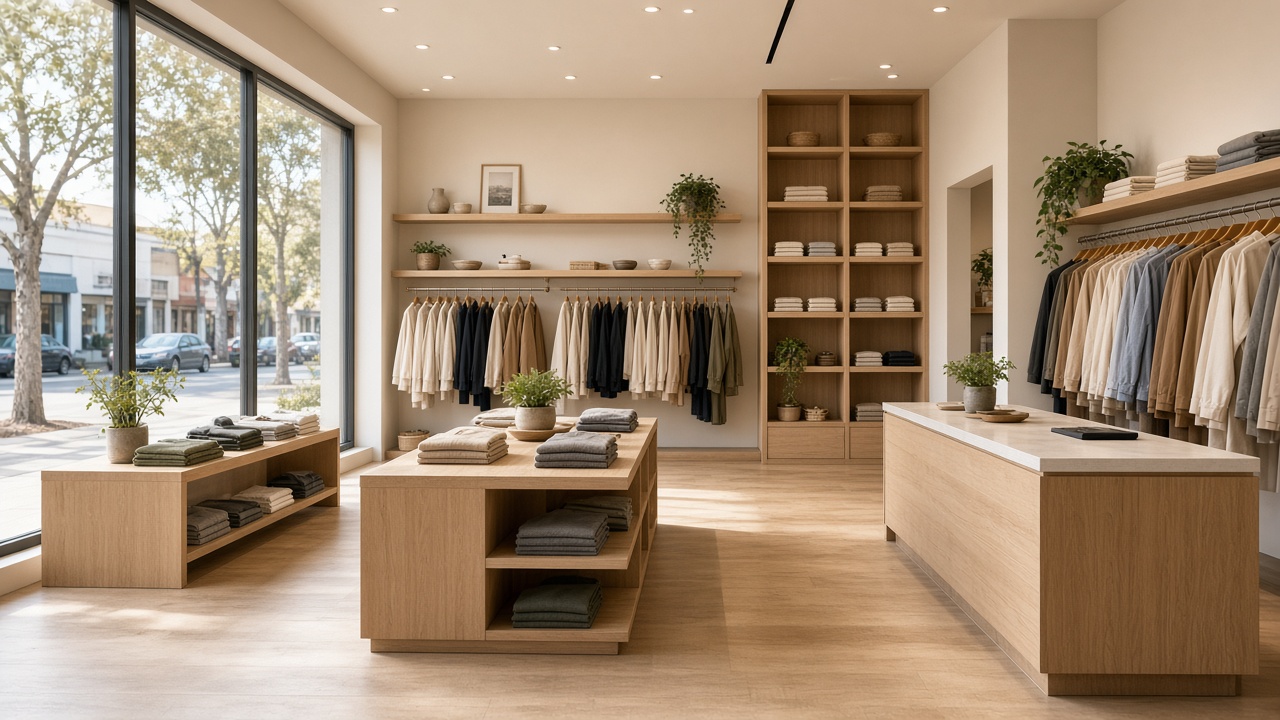
Who exactly needs this coverage? Almost every business operating in California should carry it. Whether you run a bustling retail store, manage a construction firm, or operate a quiet consulting agency, the risk of third-party claims is always present. Landlords often require commercial tenants to show proof of coverage before signing a lease, and clients frequently ask for a certificate of insurance before finalizing a contract. By maintaining active general liability coverage, you not only protect your financial assets but also build trust with the people and organizations you serve.

What is a real-world example of general liability insurance protection in California?
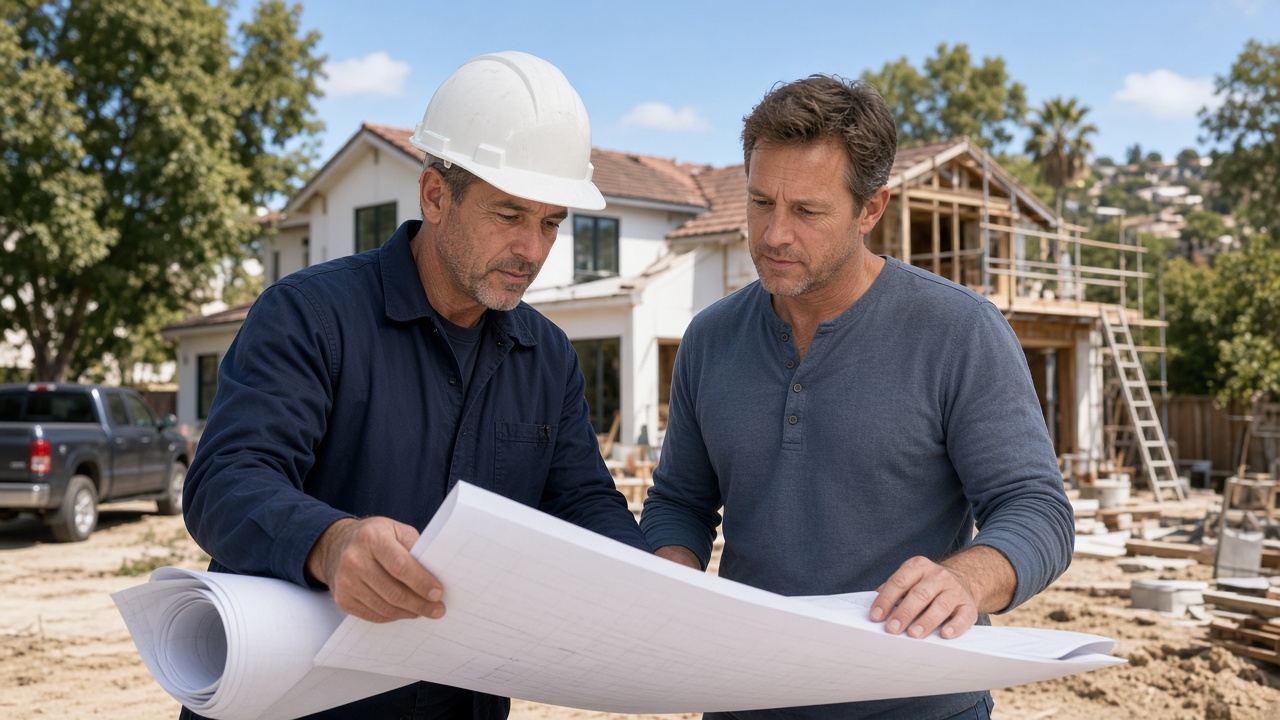
To understand how this coverage works in practice, it helps to look at a specific scenario involving a local business. Imagine a small contracting firm working on a residential remodel in the state. During the project, an employee accidentally drops a heavy tool, shattering an expensive custom window and damaging the hardwood floor below. The homeowner demands immediate replacement and compensation for the damages. Instead of paying out of pocket, the contractor relies on their commercial liability policy to cover the costs, keeping the project moving and maintaining a positive relationship with the client.
This type of protection is vital when you consider the potential cost of claims. According to the Benni Agency, the average general liability claim severity reached $114,000 nationally in 2025. A six-figure expense would easily overwhelm most small businesses without proper backing. Furthermore, state regulations often dictate specific coverage requirements. For instance, Construction Coverage notes that the minimum aggregate general liability limit for California LLC contractors with five or fewer personnel is $1 million in 2026. Meeting these requirements ensures legal compliance and financial stability.
| Scenario Type | Potential Claim Cost | Required Policy Limit |
|---|---|---|
| Third-party property damage | $114,000 (Average Severity) | $1 million (Minimum Aggregate) |
| Customer bodily injury | Varies by severity | $1 million (Minimum Aggregate) |
| Advertising injury | Varies by legal fees | $1 million (Minimum Aggregate) |
Having proper liability protection guarantees that when a significant claim arises, your business has the resources to handle it efficiently. This real-world application highlights why maintaining robust coverage limits is a non-negotiable aspect of running a successful company.
How much does general liability insurance cost in California?
Budgeting for commercial protection requires a clear understanding of current market rates. The cost of general liability insurance depends on several factors, including your industry, location, and the size of your workforce. On a broader scale, data from MoneyGeek.com shows that the national average monthly general liability insurance cost is $123 in 2026. However, operating in a high-cost state shifts these figures upward.
According to MoneyGeek.com, the average monthly general liability insurance cost for small businesses in California sits at $190 in 2026. For specific trades, the pricing varies based on the number of workers. Research from TCM indicates that the annual general liability insurance cost for solo contractors in California ranges from $700–$1,400 in 2026. Meanwhile, additional data from TCM states that the annual general liability insurance cost for small contractors (2 to 5 employees) in California increases to between $1,400–$4,000 in 2026.
| Business Type (California) | Average Monthly Cost (2026) | Average Annual Cost (2026) |
|---|---|---|
| National Average (All Businesses) | $123 | Varies by carrier |
| California Small Businesses | $190 | Varies by carrier |
| California Solo Contractors | Varies by carrier | $700–$1,400 |
| California Small Contractors (2-5 Employees) | Varies by carrier | $1,400–$4,000 |
These figures provide a helpful baseline, but your final premium will ultimately depend on your unique operational risks and the coverage limits you select.
What should you consider when looking for general liability insurance coverage?
Selecting the right policy requires careful evaluation of your specific business needs. When exploring business liability options, you must consider the nature of your daily operations and the specific risks your employees face. A retail store has a vastly different risk profile than a roofing company, which means your policy limits and deductibles should reflect your unique exposure. It is crucial to accurately assess your annual revenue, payroll, and the physical size of your premises, as underwriters use these metrics to determine your final premium.
You also need to understand the inherent limitations of this coverage. While this specific liability protection is incredibly versatile, it does not cover everything. For example, it strictly excludes employee injuries and illnesses, which must be handled through a separate workers’ compensation policy. It also does not cover damages resulting from professional mistakes, bad advice, or errors in your services. If a client sues you for a financial loss caused by your professional negligence, you would need professional liability protection rather than a general liability policy.
Furthermore, general liability does not extend to commercial auto accidents. If you or an employee causes a crash while driving a company-owned vehicle, your general liability policy will not pay for the resulting property damage or medical bills. Understanding these boundaries ensures you do not face unexpected gaps in your risk management strategy. Always review the specific exclusions listed in your policy documents and consult with a knowledgeable agent to confirm that your commercial policy aligns perfectly with your operational requirements.
What other insurance coverages are commonly paired with general liability insurance?
Because no single policy can cover every conceivable risk, business owners frequently bundle multiple policies to create a safety net. While core liability protection handles third-party physical injuries and property damage, it leaves gaps that other specific coverages must fill. Pairing policies is the most effective way to ensure your business remains fully protected against internal and external threats.
For instance, businesses with employees are legally required to carry workers’ compensation, which steps in when a staff member gets hurt on the job. Companies that provide specialized advice or professional services often add errors and omissions coverage to protect against negligence claims. Below is a comparison table showing how these related coverages work in conjunction with your primary liability policy.
| Insurance Coverage Type | Primary Purpose | Relationship to General Liability |
|---|---|---|
| General Liability | Covers third-party bodily injury and property damage | Acts as the foundational coverage for most businesses |
| Workers’ Compensation | Covers employee injuries and lost wages | Fills the gap since general liability excludes employee injuries |
| Commercial Auto Insurance | Covers accidents involving business-owned vehicles | Handles vehicle risks that general liability explicitly excludes |
| Professional Liability (E&O) | Covers claims of negligence or mistakes in services | Protects against financial loss claims rather than physical damage |
By combining these different types of insurance, you create a customized shield that addresses the unique vulnerabilities of your specific industry.
What are key general liability insurance statistics and trends in California?
The commercial insurance market is constantly evolving, and recent data highlights several important trends affecting business owners. One major factor driving changes in general liability insurance is the rising cost of medical care and litigation. According to Caruso Insurance, there was a 3.7% annual increase in medical costs per indemnity claim between 2017 and 2023. This steady climb means that when a third party is injured on your property, the resulting medical payouts are significantly higher today than they were a few years ago.
Healthcare inflation plays a massive role in these escalating costs. Caruso Insurance also reports an 88% surge in hospital and nursing home expenses from 2009 through 2024. As treating injuries becomes more expensive, insurance carriers must adjust their rates to maintain profitability and ensure they can cover future claims. Consequently, business owners are seeing an upward trend in their renewal costs. Data from TSM Insurance indicates a projected increase in general liability insurance premiums in California of +4–8% for the 2025–2026 period.
Beyond local healthcare costs, broader global trends also impact the liability market. Interestingly, Caruso Insurance notes that global liability losses exceeded global insured losses for natural catastrophes by 33% in 2023. This statistic underscores just how frequent and severe liability claims have become worldwide. For a local business owner, these trends emphasize the importance of securing robust commercial protection now, before market conditions drive rates even higher.
Who needs general liability insurance and how can you get a quote in California?
Determining who needs this coverage is straightforward: if your business interacts with the public, clients, or vendors in any capacity, you need protection. This coverage is designed for retail shop owners, independent contractors, restaurant operators, and professional consultants across the region. Even home-based businesses that occasionally host clients or ship products carry a level of third-party risk that necessitates a dedicated commercial policy. Without it, you are effectively gambling your personal and business assets on the hope that an accident never happens.
Navigating the complexities of commercial coverage does not have to be a stressful experience. We help hundreds of customers with general liability insurance in California, ensuring they find the exact limits and features required to safeguard their livelihoods. Our team understands the local regulatory environment and the specific risks associated with operating a business in this state. We take pride in our highly rated Google My Business page, which reflects our commitment to transparent communication and exceptional client support.
Taking the next step toward securing your business is simple and entirely risk-free. We can offer quotes without any sort of obligation, allowing you to review your options and pricing at your own pace. Whether you are launching a brand-new startup or looking to switch providers for a better rate on your upcoming renewal, our experts are ready to assist. Contact us today to discuss your specific operational needs and receive a customized liability quote tailored to your business.
Get a Quote
Share your details with us, and our team of friendly agents will be in touch with you soon!
